
How can I be
a strong man?
The images that immediately come to mind for many men:
be loud

endure pain

muscels
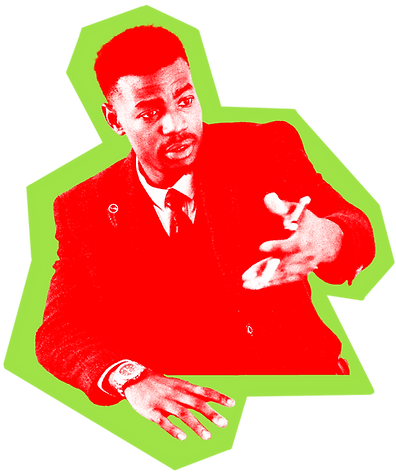
be the boss


Is that really what makes a strong man? And is that good for you?
I conducted a small qualitative survey among 12- to 18-year-old
boys in Germany on the topic of masculinity.
This pie chart reveals results throughout the website.

i
The price of this image of masculinity
This is the traditional image of masculinity. It appears strong, but has serious consequences:
The traditional image of masculinity (also known as toxic masculinity) may appear strong at first glance: independent, unshakeable, always in control. But this ideal often comes at a high cost. Many men feel intense pressure to live up to these expectations¹: showing no emotions, earning a lot of money, solving problems alone, and never showing weakness.


Anyone who grows up learning to suppress vulnerable feelings like sadness, fear, or overwhelm ends up bottling more and more inside. This often later shows up as anger, frustration, or aggression.² It’s no surprise, then, that men are involved in violence more often than women,³ 87% of all homicides are committed by men.⁴
On top of that, many boys and men don’t talk about their problems and are less likely to seek help.⁵ This has consequences: men face a much higher risk of addiction.⁶ About three-quarters of those struggling with alcohol or drug addiction, as well as gambling addiction, are men,⁷ and three out of four suicides are committed by men.⁸
If you need support, BC’s Mental Health Support Line is available at 310-6789, and the Alcohol & Drug Information Line can be reached at 1-800-663-1441, both available 24/7.
In short: the ideal of “being invulnerable” makes you more vulnerable, not stronger.
There is no single definition of how a man should be. So you can decide for yourself how and who you want to be.

“How do gender roles influence your behavior and that of young people in your environment?” [translated from German]
i
“Many people do things to at least partially conform to the role model and not be seen as ‘strange’.” [translated from German]
“Behave differently,
show no emotions.” [translated from German]

Strong role models?
Who actually teaches us how
to be a “man”?
Influencers, fathers, grandfathers, older brothers, teachers, friends. They all shape what you believe about masculinity. Think about it for a moment: who comes to mind when you think of a role model for masculinity?
When you scroll through TikTok or YouTube Shorts, it usually takes less than 25 minutes before you come across content with anti-feminist, masculinist, or extremist views.⁹
You constantly see guys who seem to have everything under control: rich, ripped, emotionless. No weakness, no doubt. Just fast cars, expensive watches, six-pack abs, and sentences like “A real man doesn’t need anyone.” At first glance, these guys may look confident and successful. But what’s really behind it?
And aren’t there also men who are strong without pretending they don’t have any feelings?
So let’s talk about role models! Who do you listen to? Who do you look up to? And what values are behind that?


“Which feelings do you find difficult to show?”
"Insecurity, fear."
“At school, people laugh
at you for crying.”
“Weakness”
“Helplessness”
“Love / Affection”
i
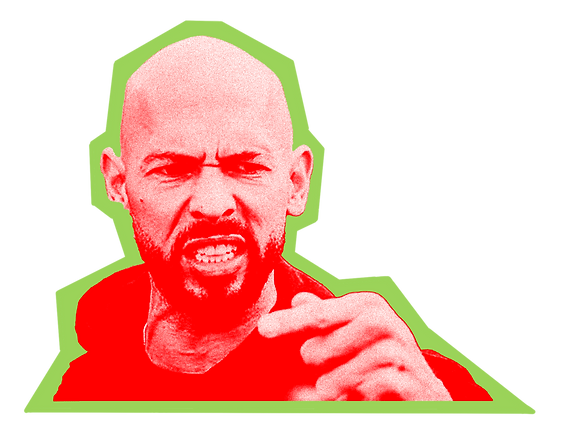
One of the best-known influencers when it comes to a “tough” image of masculinity is Andrew Tate.
Many see him as a role model: muscles, money, flashy cars, loud opinions. Someone who claims to know exactly how “real men” should be and what a good life looks like. His message? Success, dominance, no emotions, just push through. And women? Preferably pretty and submissive.
In his videos, he says things like:


"Idk what kinda B*tch ass dude is letting his chicks go to the club with her friends without him.. No, you stay in your house. You dont go nowhere"
"I don't believe in depression.“
"You cheated. I'ts bang out of the machette,
boom in her face, then grip her up by the neck.
Shutup bitch!"
"I'm territorial and she's MINE."
This isn’t just an act. It’s dangerous: sexist,
glorifying violence, and deeply misogynistic.
He presents toxic behaviors as an ideal and
frames women as inferior.
He has been banned from many platforms, and
he is under investigation for organized crime,
money laundering, human trafficking, and sexual abuse.¹⁰ Yet for many, he remains an idol.¹¹ Why?

One reason: many boys are caught between conflicting expectations that simply don’t fit together:¹² On the one hand, they’re told to show emotions, be team players, and respect boundaries.
On the other hand, they still get the message that
a man must be tough, strong, performance-driven, and always in control. Classic toxic masculinity.
What’s missing are real, diverse men as everyday role models.¹² This starts in daycare and continues in elementary school, where there are hardly any male educators. As a result, boys often turn to virtual “heroes” for guidance.
Tate offers simple answers to a complicated issue. Instead of providing real solutions, he sells an ideal built on fear: the fear of not being enough. And that’s exactly what makes many boys more vulnerable, not stronger.
So what now?
One thing is clear: we need different role models.
Men who show that strength and compassion are not opposites. Fortunately, there are already plenty of men showing that strength has many faces.


@Schlumpf, 2025, 11:18
Rezo: known from YouTube and Twitch, is sharp, critical, and at the same time easygoing. He speaks openly about panic attacks, stress, and the downsides of success, and he takes a clear stand against hate and injustice.
And you can also look for role models in your own environment:
-
A male teacher who explains things patiently instead of yelling.
-
A male nurse who acts with compassion.
-
A father who changes diapers and doesn’t just earn money.
-
A male friend who cries and talks openly about his problems.
These men show: real strength doesn’t need “alpha behavior.” You don’t have to be tough, rich, or dominant to appear strong. You can feel, listen, care and still be strong.
Are you looking for role models who are really good for you?
Here you will find tips on how to find role models who empower you rather than weaken you.

Strong without punches
When anger turns into violence
Many “role models” promote the traditional toxic image of masculinity. The problem? These very ideals encourage violence.¹³
In fact, men are significantly more often the perpetrators of violence, especially in serious and criminal offenses.³
But this isn’t because men are “naturally” violent. A major reason: many boys learn early on to suppress their feelings and equate strength with control.
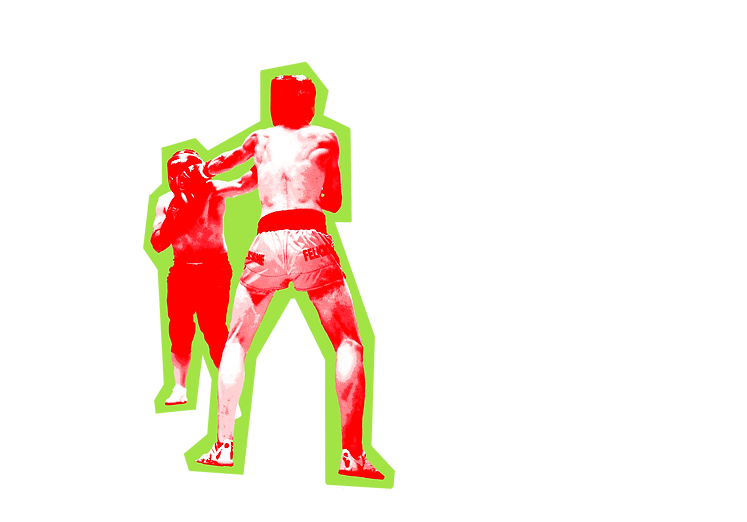
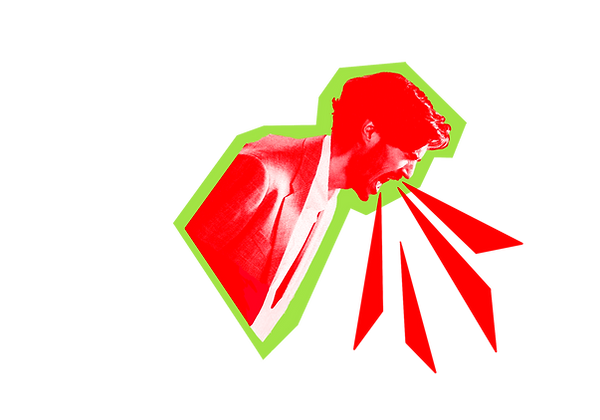
What exactly is violence?
Violence isn’t just hitting. It has many faces:¹⁴
-
Physical: kicking, hitting, holding someone down.
-
Psychological: insulting, threatening, manipulating.
-
Structural: when people are disadvantaged by social structures, for example because of their gender.
-
Cultural: when violence is justified through sayings or gender roles, for example, “It’s her own fault for dressing that way” after a sexual assault.
Anger isn’t a bad thing. It shows that something has hurt or bothered you. But often, there’s more behind anger: fear, disappointment, shame, or pain.
Violence is then often used to feel strong, gain control, or compensate for feelings of inferiority.¹⁴ But: anger is okay, violence is not.
The question is: how do you handle conflicts without harming others (or yourself)?

What to do when you get angry?
When you feel like you’re boiling over: Take a deep breath. Step outside for a moment. Count to twenty. Give yourself time to calm down.
Other ways to release anger:
-
Movement: martial arts (boxing, taekwondo), jogging, dancing, soccer, or yoga.
-
Calming: focus on deep, intentional breathing.
-
Self-confidence: get to know and appreciate yourself so that you’re not shaken by every provocation. What really gets under your skin? What helps you calm down? Write it down and give it a try.

Resolving conflicts without violence - here's how
Non-violence doesn’t just mean not hitting. It also means speaking respectfully and finding solutions together.¹⁵
How it works:
-
Observe: What exactly is happening right now?
-
Name your feeling: How does this make you feel?
-
State your need: What do you need?
-
Make a request: What would you like?
-
Find a solution together: Listening is just as important as speaking. Try to understand the other person’s perspective as well.
If you struggle to manage anger, you can find counseling services in your area.

Recognize what violence is
You decide how to handle anger
Feeling anger is human.
Violence is a choice.
You can learn to express your anger without violence and stay strong without hurting yourself or others. That is true strength!

Strong image of women?
How do you talk about women?
Violence starts with words. With jokes and put-downs that “are still funny, right?”
Pay attention: What do you say about girls when none are around? What do your friends say?
Many men speak about women in a demeaning way when they’re alone together. This is called “locker room talk.” Many will say, “It was just a joke!”
But words matter. By speaking this way, you normalize disrespect and sexism.
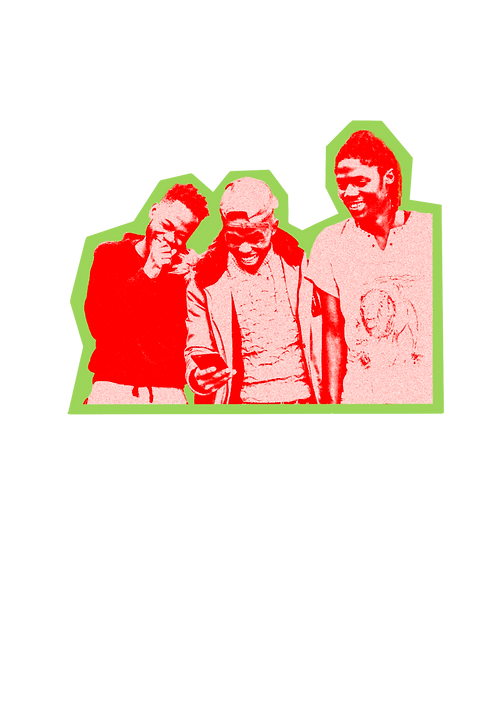
This is what the pyramid of violence¹⁶ shows.
At the bottom, you find sexist jokes and slut-shaming.
Next come whistling, inappropriate comments, sexual harassment, manipulation, control, and stalking.
At the top: rape, physical violence, and at the very peak, femicides – the murder of women simply because they are women.¹⁷
Jokes or remarks that seem harmless to you form the foundation for explicit acts of violence through normalization.
So, what can you do?
Reflect on your own behavior.
Remove sexist jokes from your vocabulary.
And very important: speak up when someone talks disrespectfully about women. Sometimes a simple, “Hey, that’s not okay,” is enough.
Because true strength isn’t laughing along, it’s speaking out.

Incel & ChampLife: the peak of these dangerous role model
“Incel” (Involuntary celibacy) refers to men who involuntary live without a relationship or sex and
blame women for it. The resulting hatred of women has already led to several assassinations.¹⁸
ChampLife is an online community that “coaches”
men but spreads dangerous ideas, such as that men should manipulate, dominate, and exploit women.
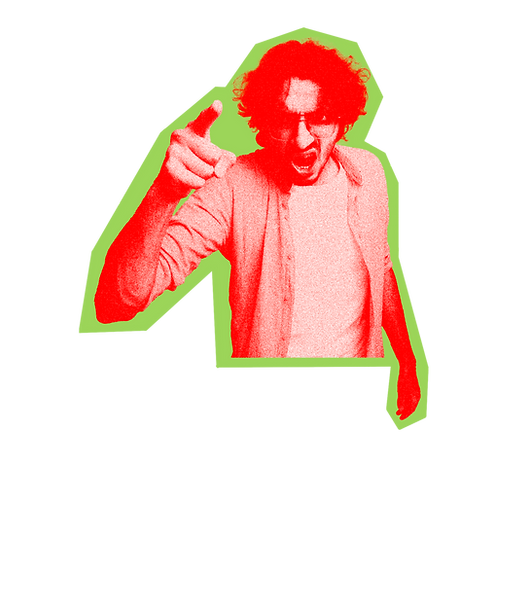
Both scenes have this in common:
They turn frustration and insecurity into hatred of women. They promise strength but deliver anger, loneliness, and violence.
Real strength looks different. It isn’t demeaning or violent.

Strength is not hardness
So: how can I be a strong man?
Not every man has to be the same.
But one thing is clear: strength means something different today than it did in the past.
Strong is…
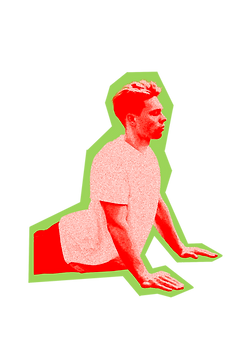
...who cares about their health and well-being.
...who doesn't numb their feelings and problems with alcohol or drugs.
...who seeks help instead of trying to solve everything on their own.
...who feels comfortable without putting others down.
...who respects boundaries. Their own and those of others.
...who can resolve conflicts nonviolently and with respect.
...who is willing to question themselves and learn.
...who stands up for themselves and others with words.
...who allows feelings. Even tears.
But above all:
Strong is, who has the courage to be who they truly want to be.

In response to the question,
“Do you feel like you’re allowed to
show all your emotions?” only 31% of boys answered “yes” (50% “no”).
When asked whether they feel
that women are allowed to show
all their emotions, 69% answered “yes” (13% “no”).
i

Time to change your perspective.
You don't have to be perfect.
But you can be brave.
Brave to think differently.
Brave to question.
Brave to do things your own way.
Brave to just be yourself, even if not everyone celebrates it.
You can’t change what you were taught.
But you can decide who you want to be.
And that is a seriously strong choice.
In case you need help
Crisis Chat: 24/7 Chat Counseling
Helpline: 116 111
Telephone Counseling: 116 123

A fictional communication concept for a digital program for young people from the German Federal Ministry of Education, Family, Senior Citizens, Women, and Youth.